
Beyond Maison & Objet 2026 fair, discover the new design directions of Lalique, CFOC, Alain Ellouz & Galerie Negropontes
©
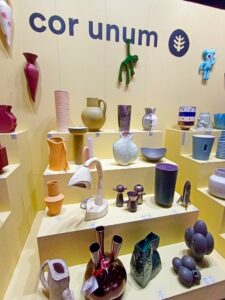
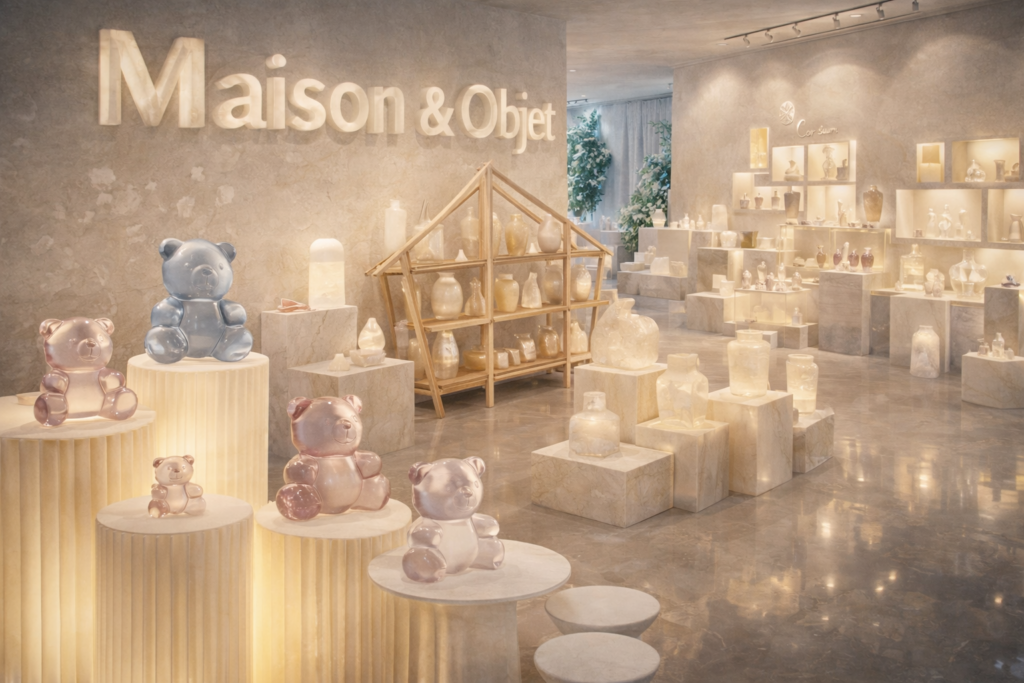
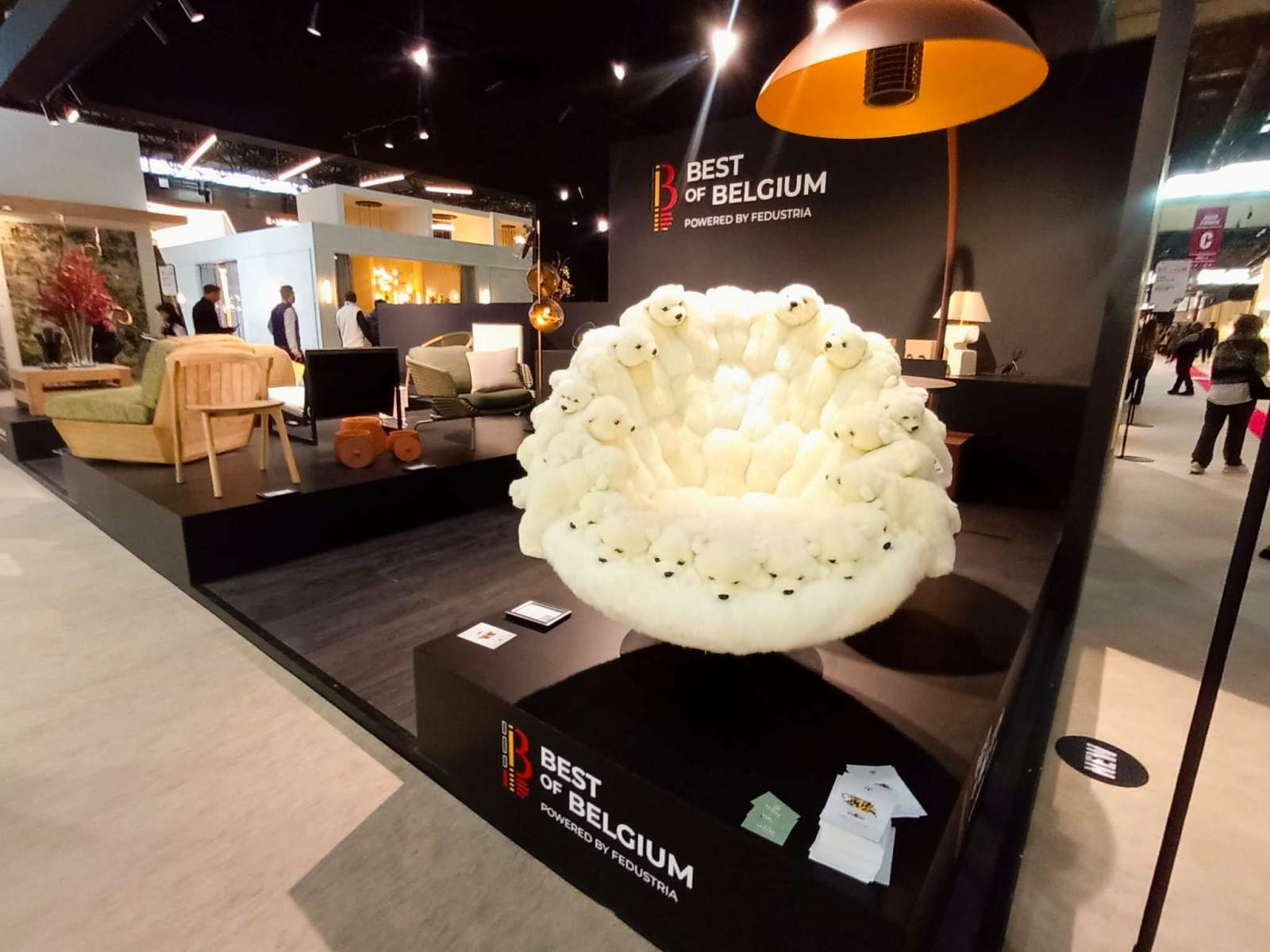
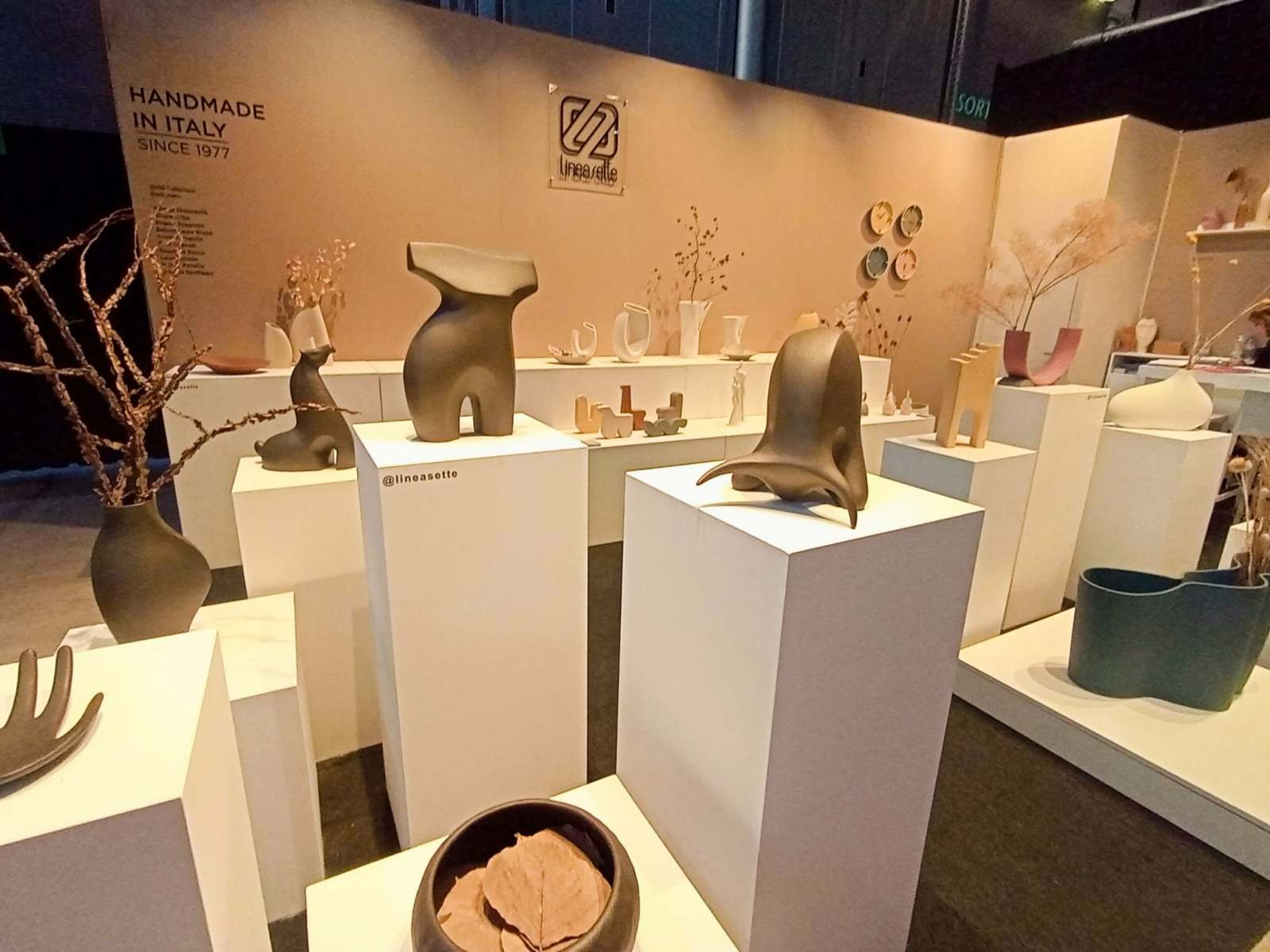
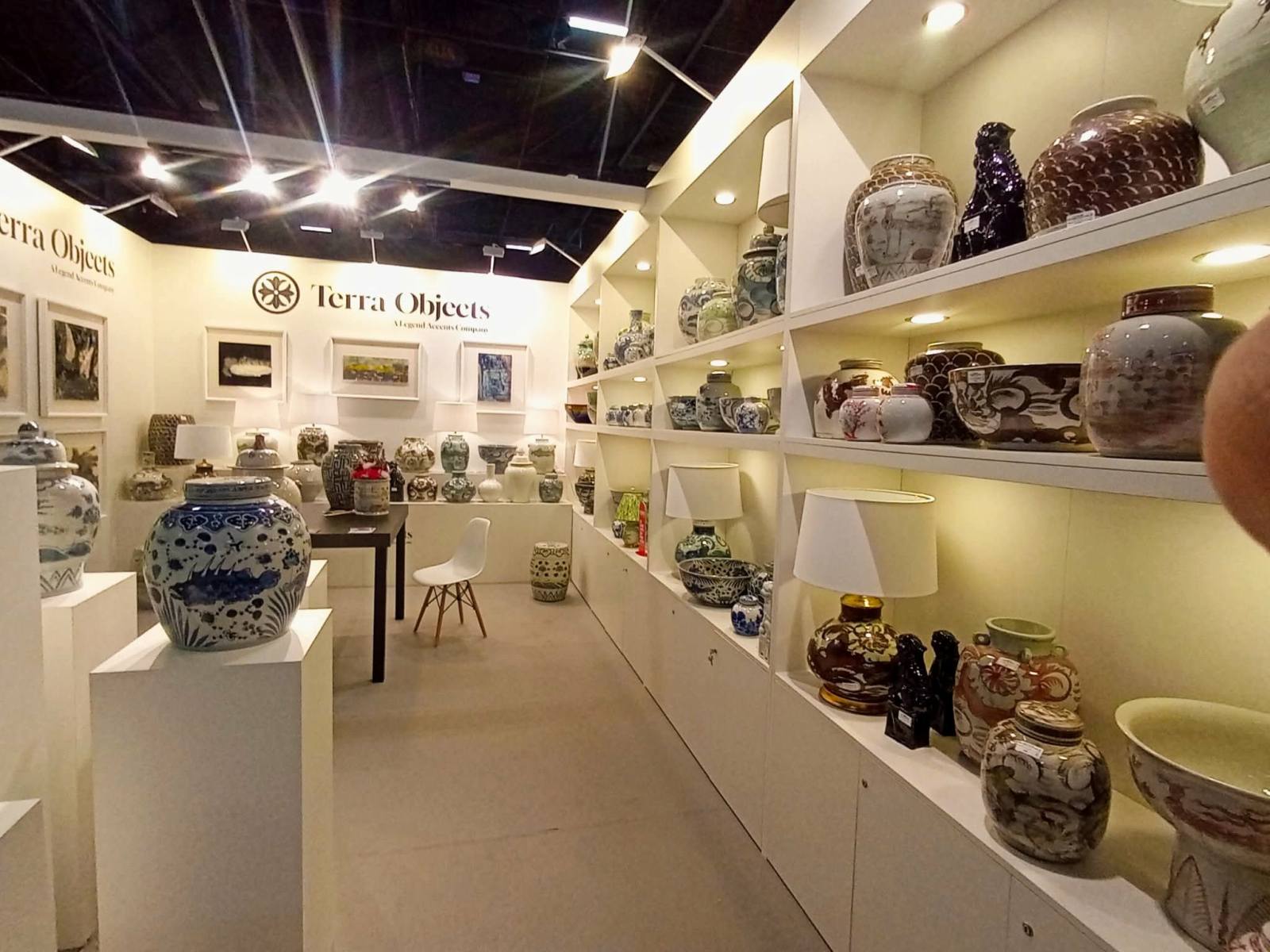
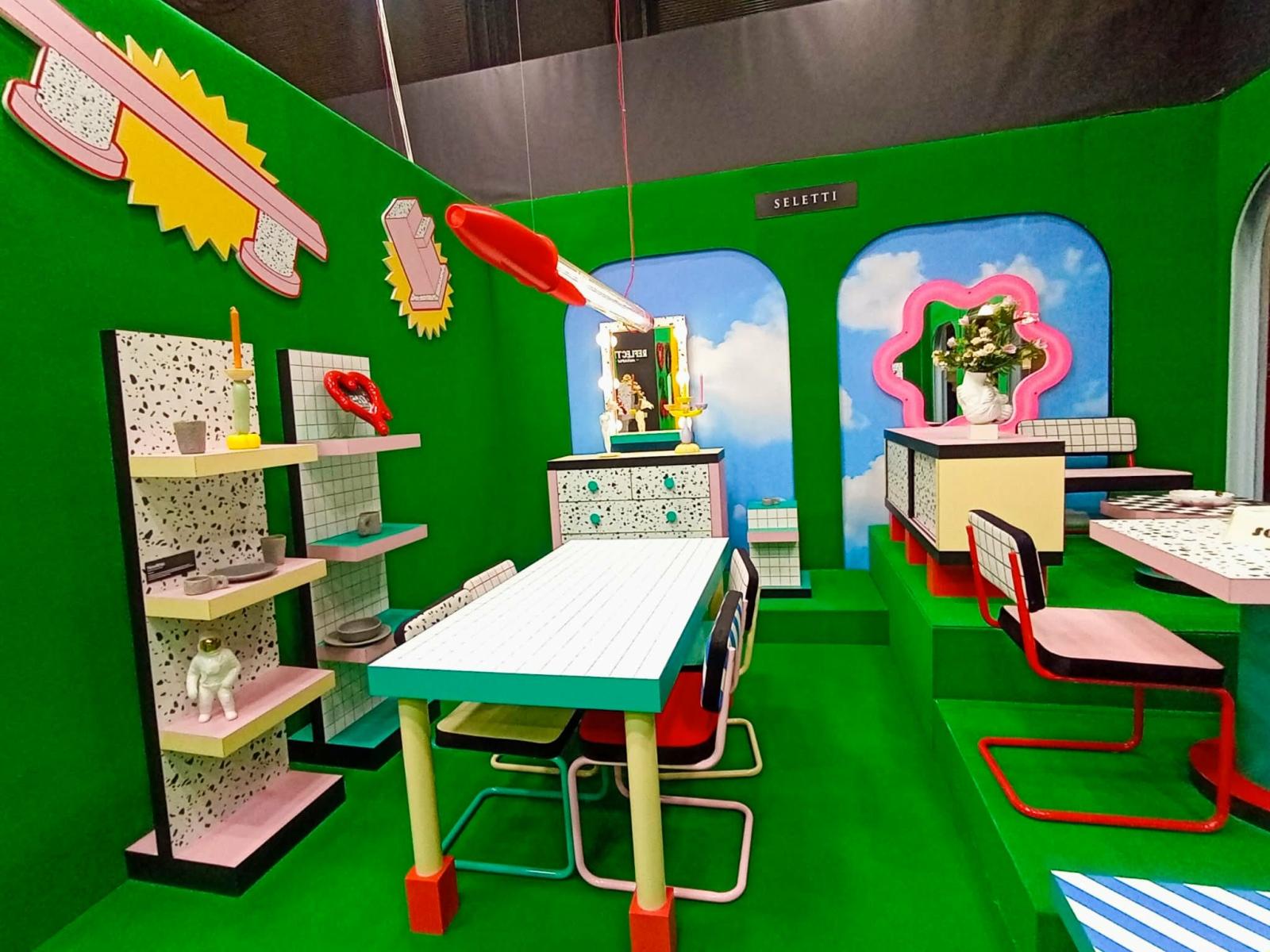
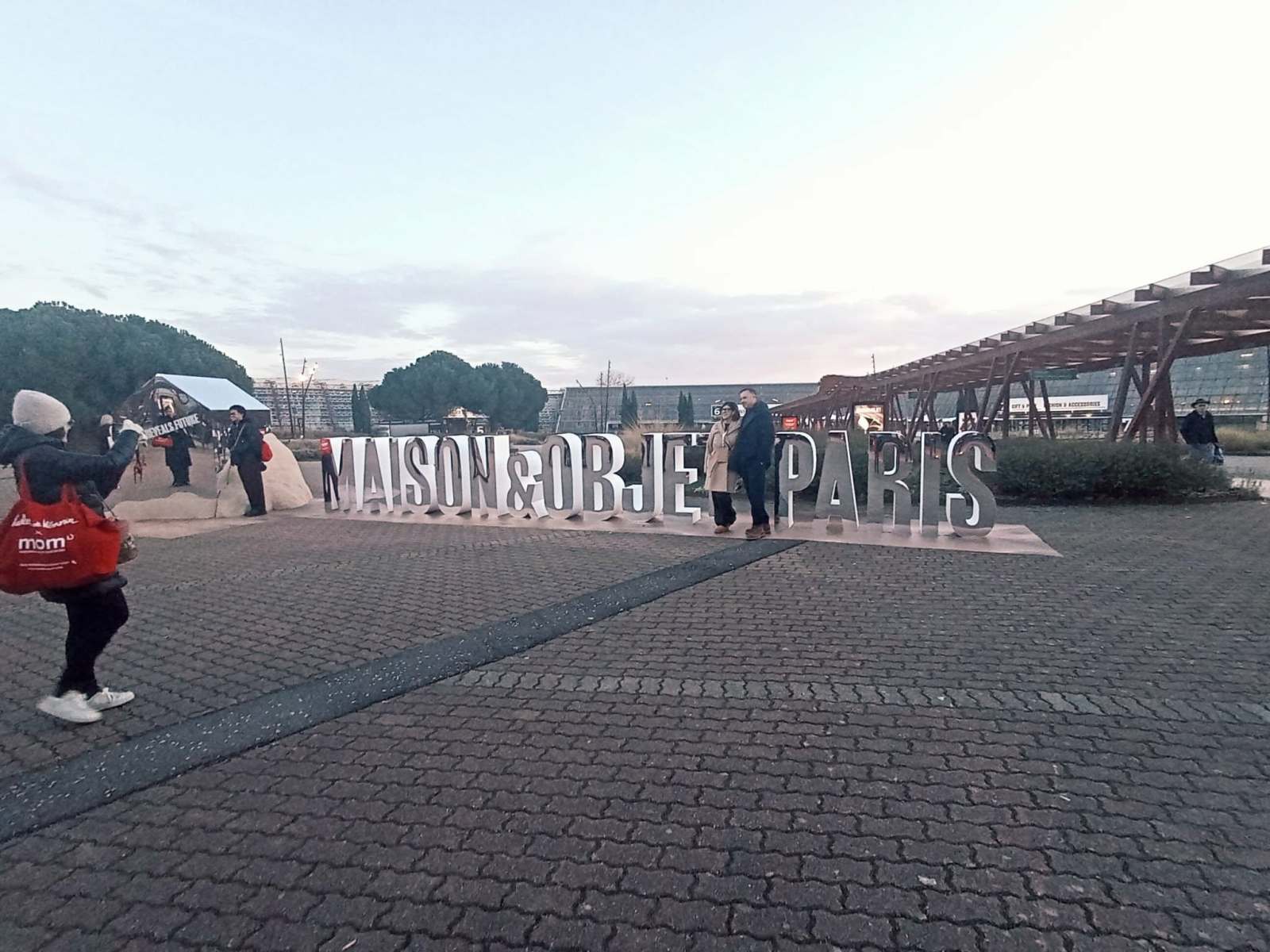
From January 15 to 19, 2026, the annual Maison & Objet fair took over the Paris Nord Villepinte Exhibition Center for a new edition, themed “Past reveals future”, exploring the roots of contemporary design to better envision its future. The event brought together no less than 2,300 international brands, including 500 emergent ones, across six key sectors in seven halls. From, Signature & Projects (high-end design, hospitality, custom projects), Decor & Design (decoration, furniture, lighting, textiles, tableware), Craft (arts and exceptional craftsmanship), Fragrance & Wellness (well-being and scents), Fashion & Accessories (fashion and jewelry), and Gift & Play (gifts, toys, lifestyle concepts).
Plus, the Halls 1 and 2 hosted the Eco-Responsible Design Collective, highlighting sustainable materials and finishes. In parallel, Maison & Objet In the City offers a professional route through 100 Parisian addresses, connecting designers, architects, galleries, and international artisans (photo credits: ST & AL).
Apart from this, nearly 1,200 journalists were expected, confirming the fair as a major platform for visibility and business development for brands. By ST & AL

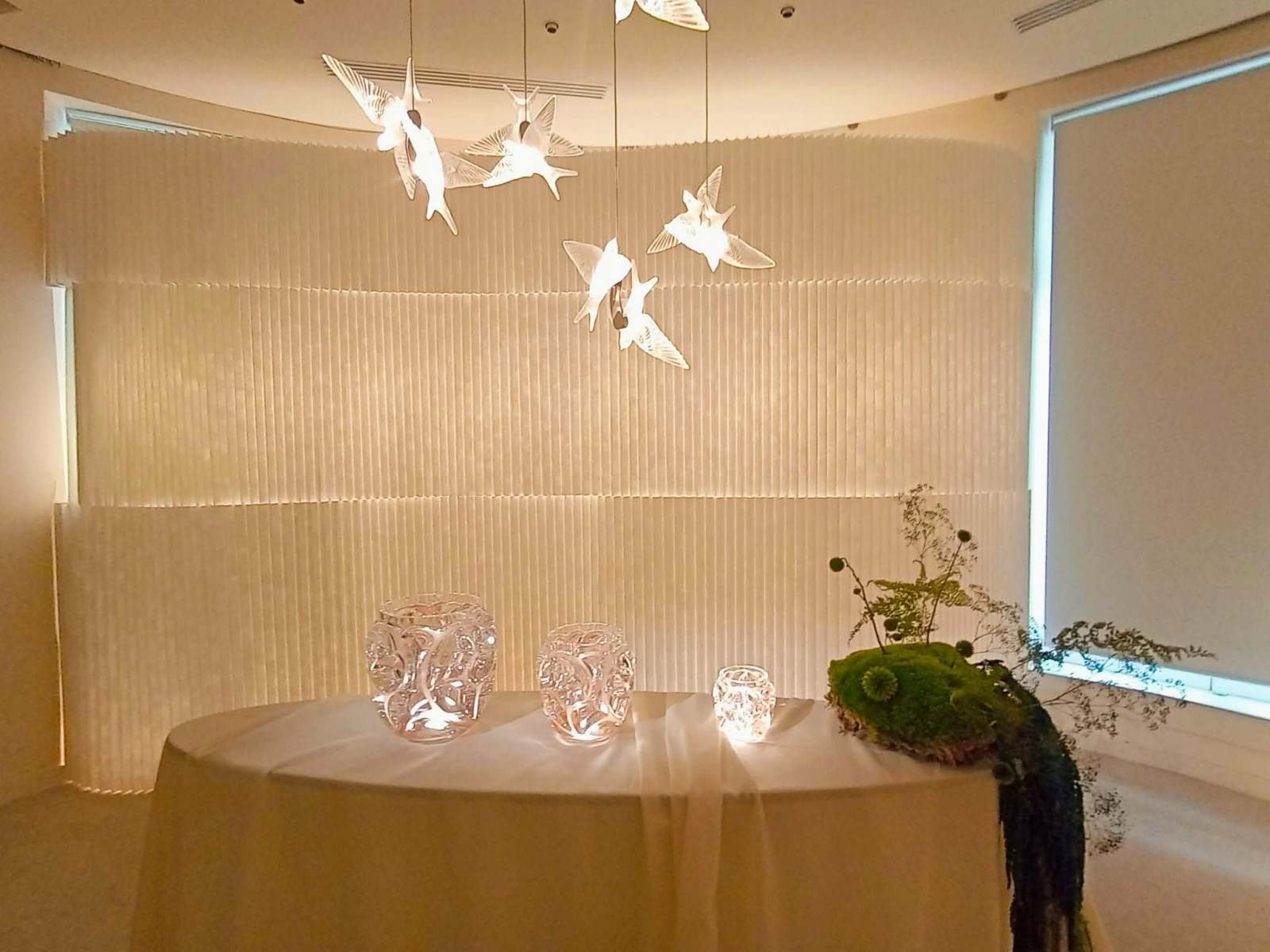
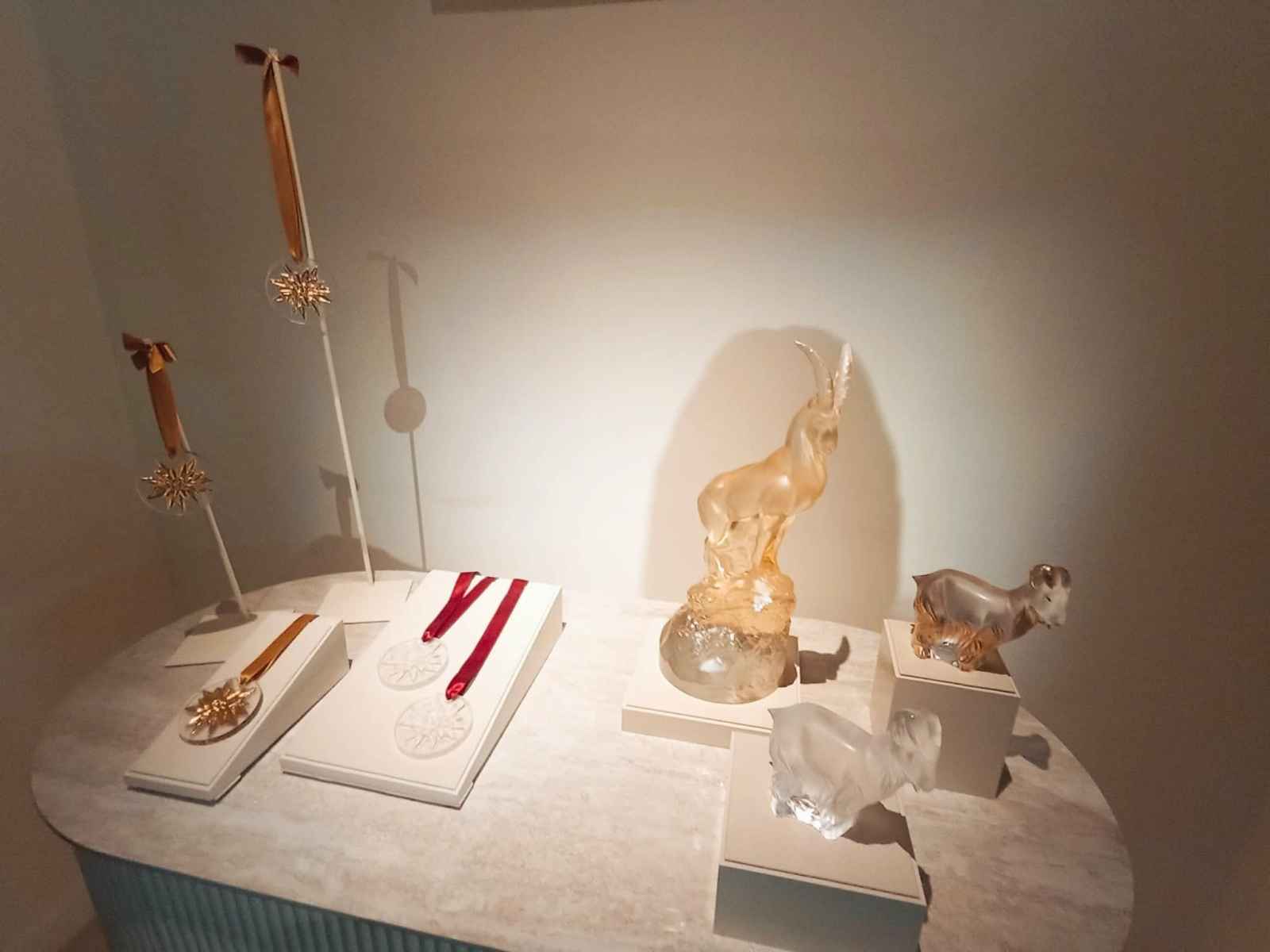
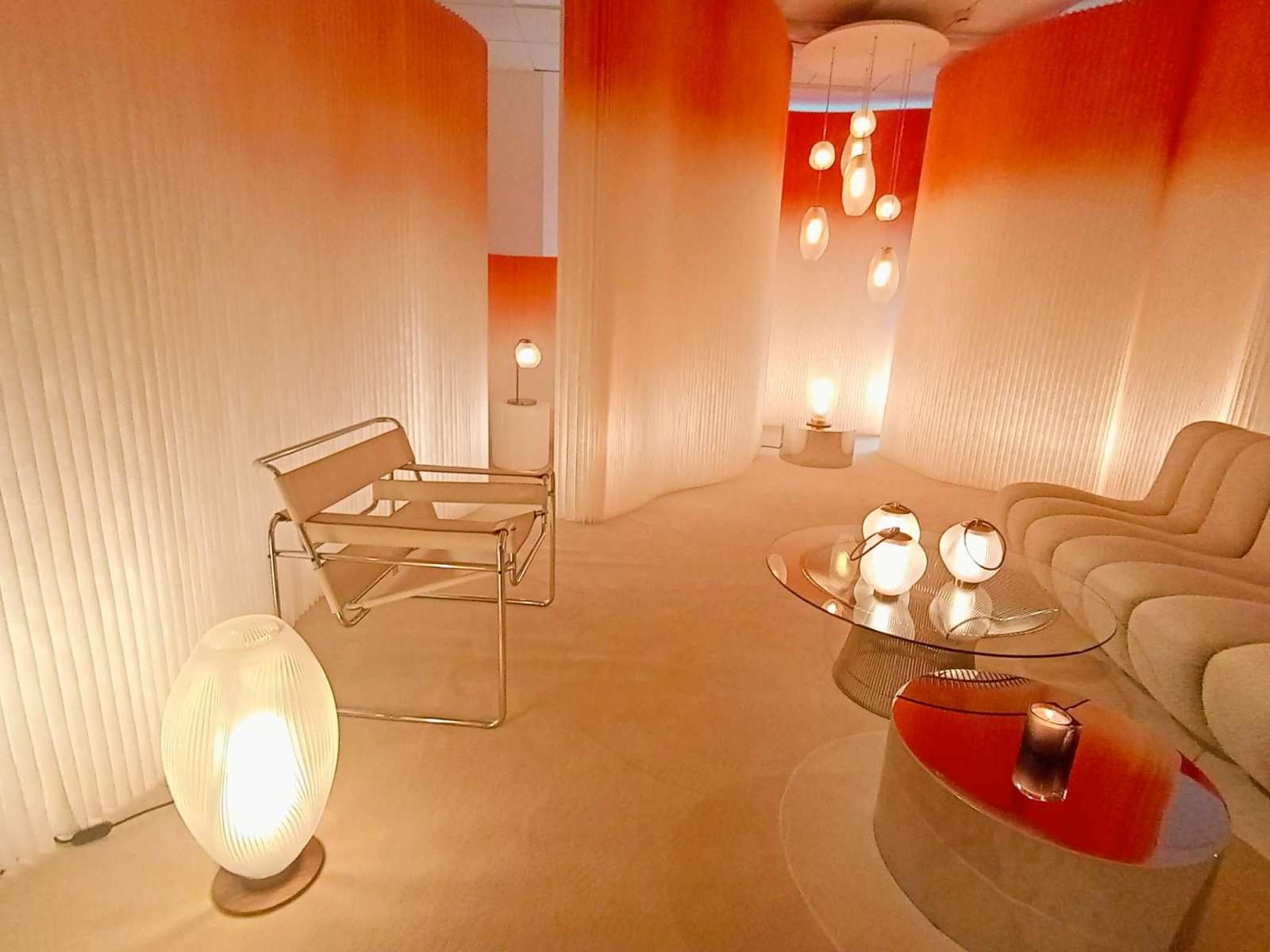
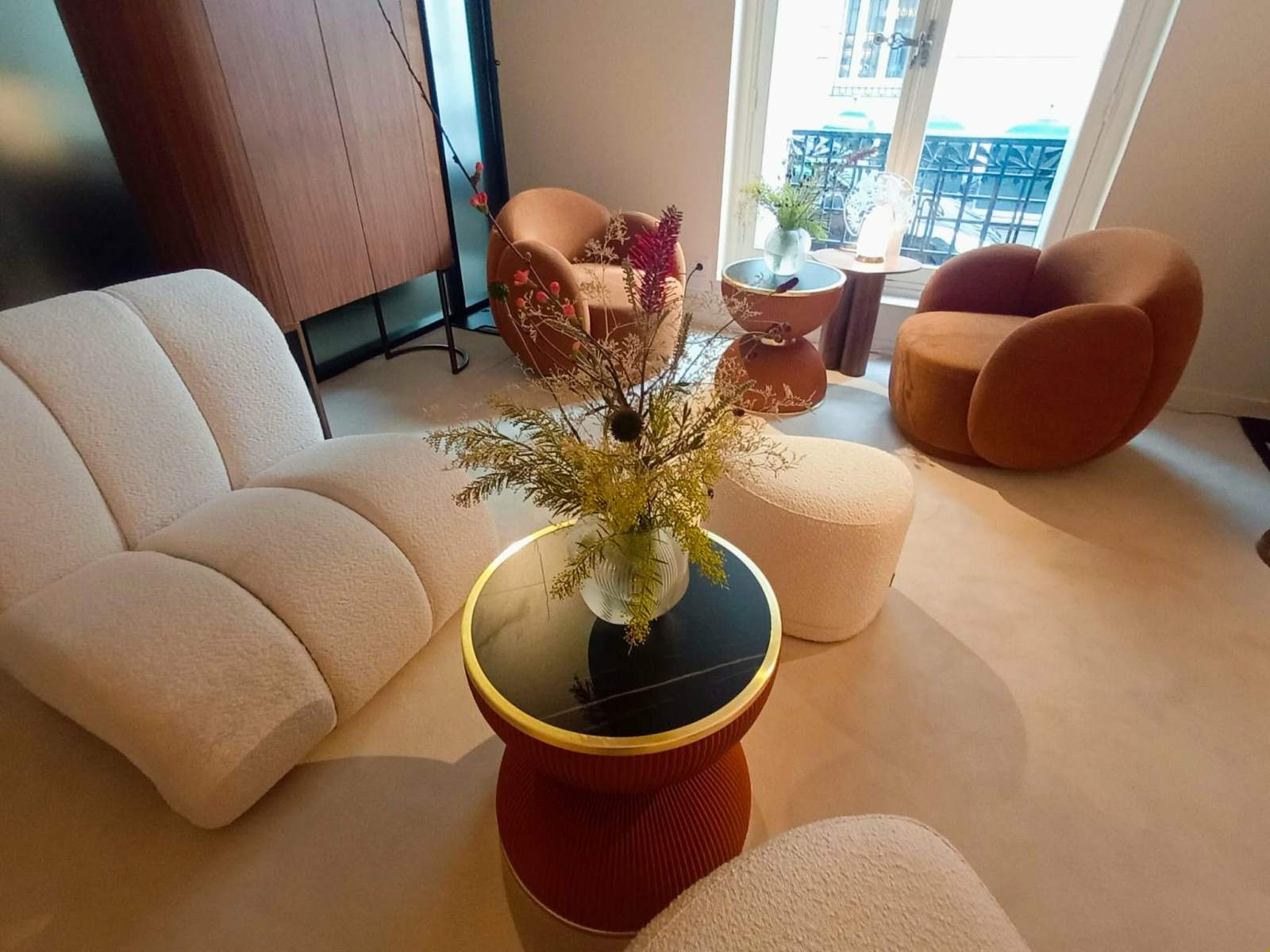
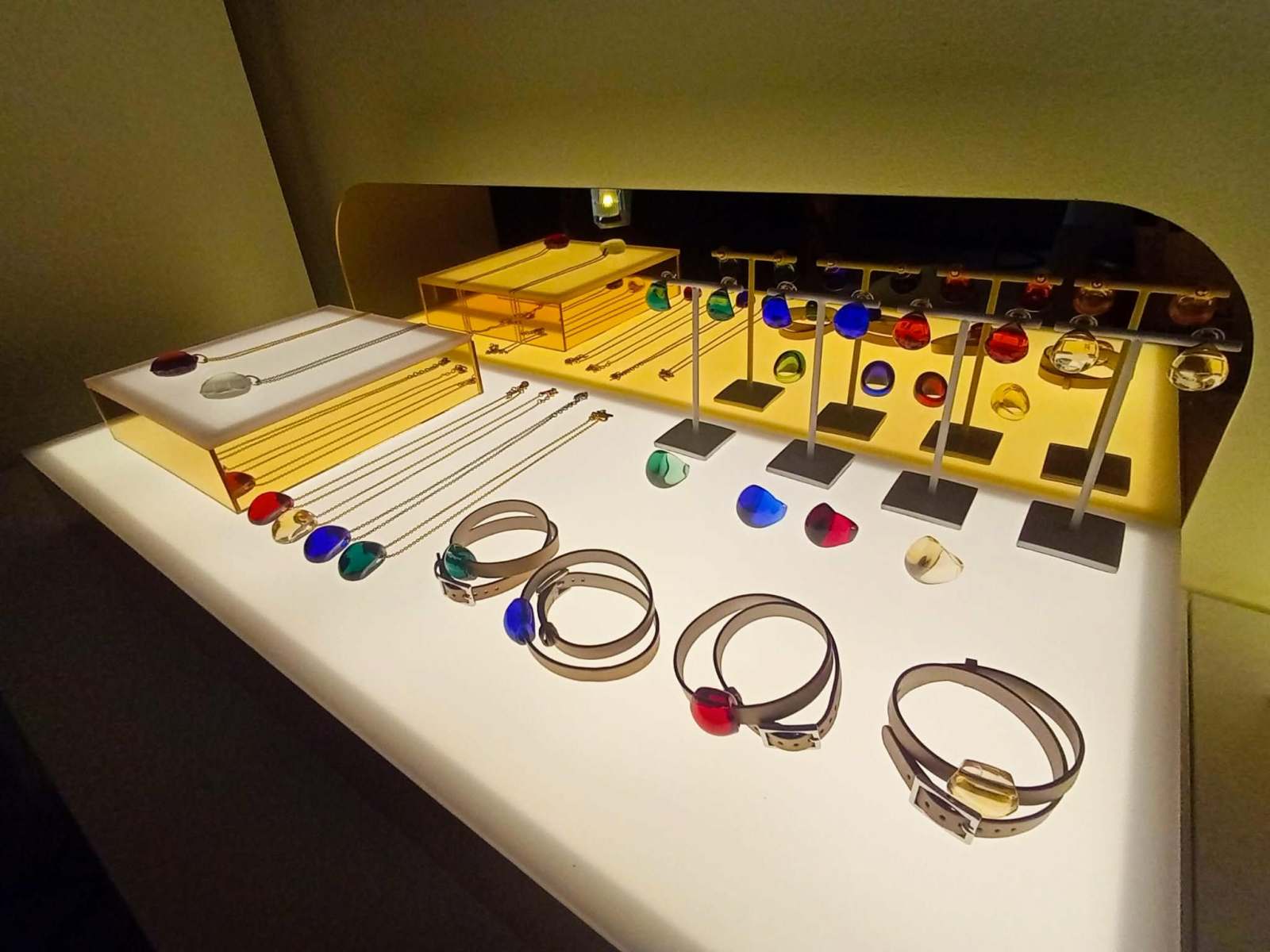
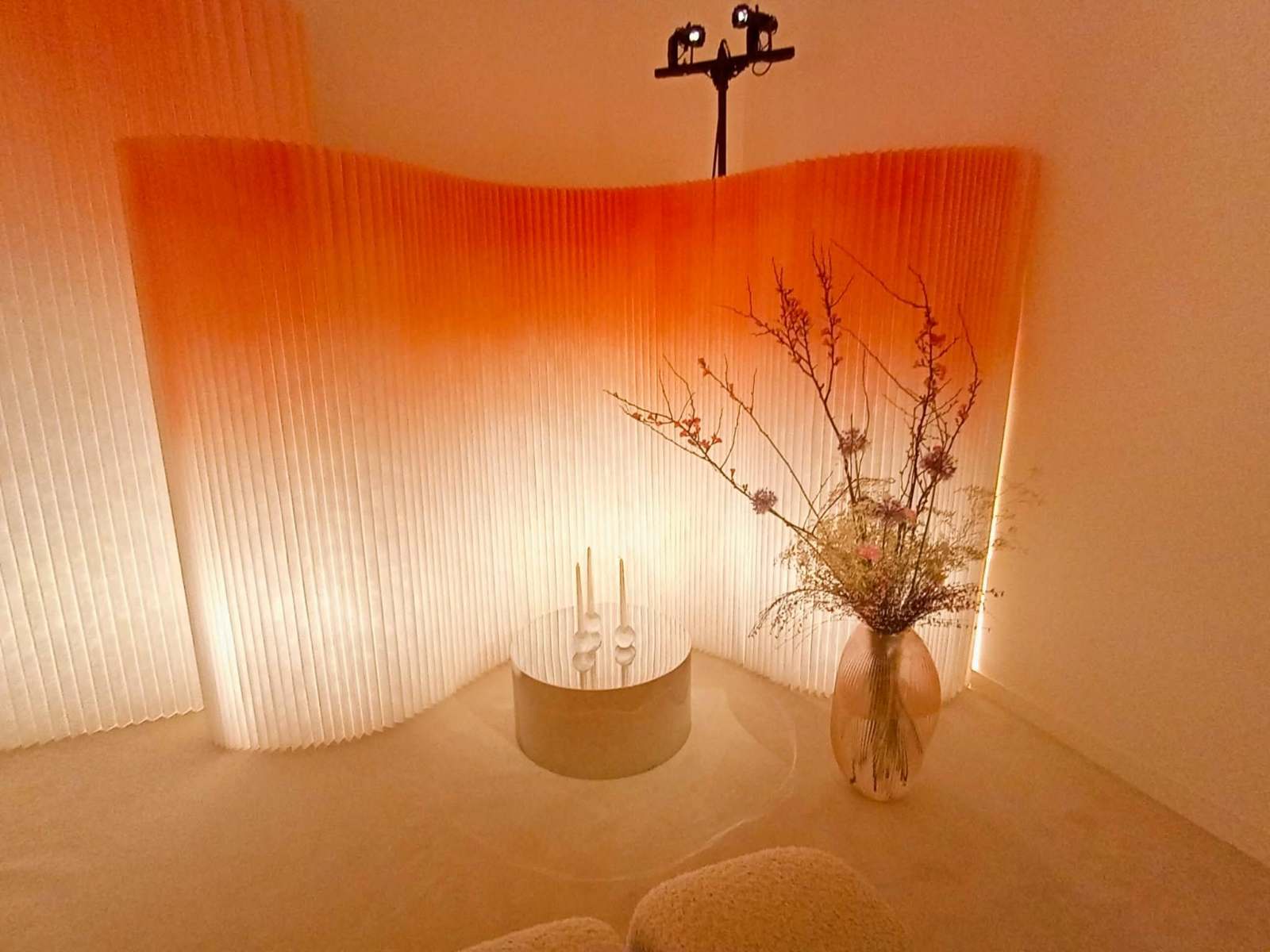
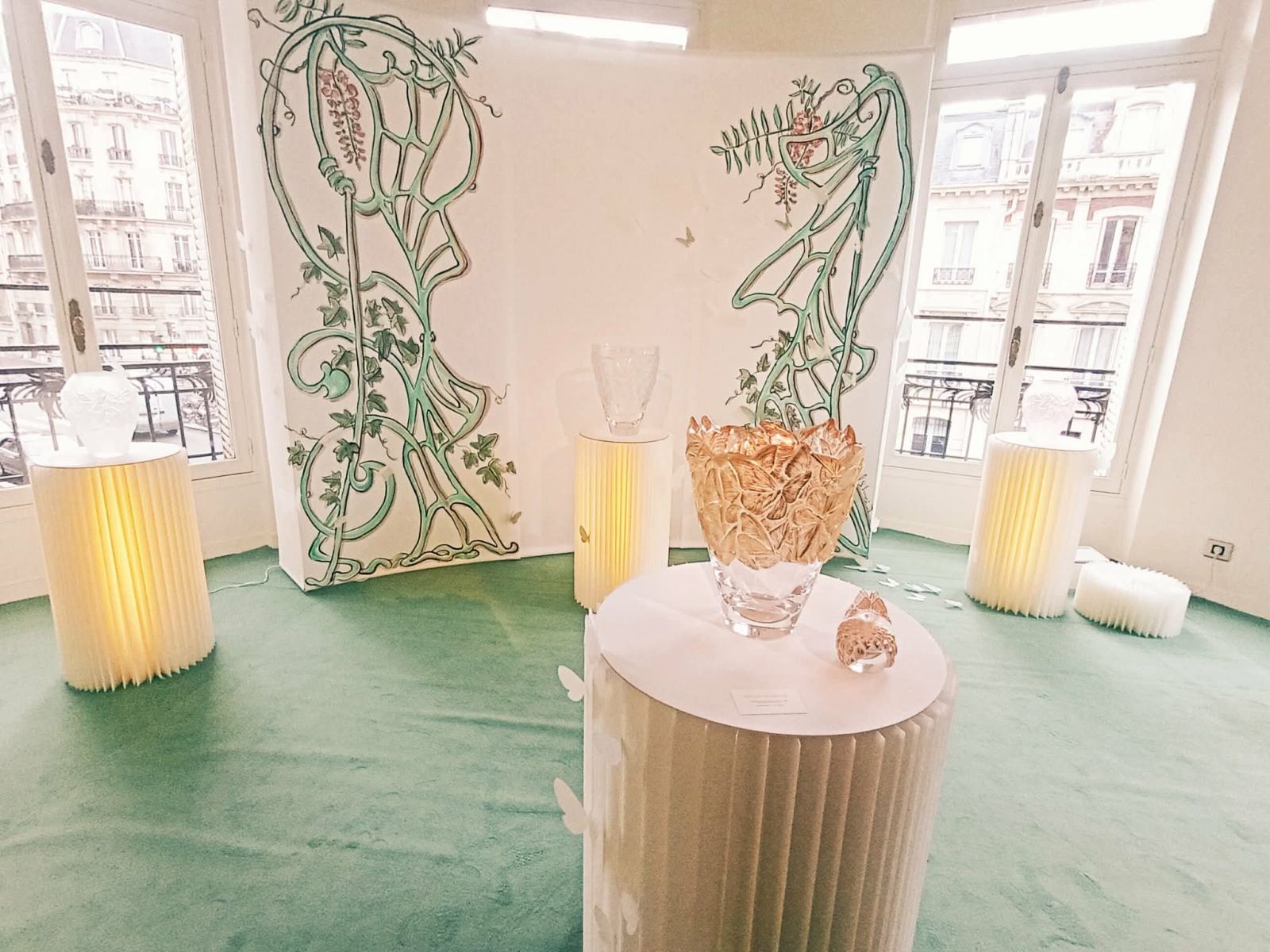
After a 2025 year, marked by strong international momentum, it looks as if Lalique opens 2026 with a creative vision shaped by movement and poetry. Each creation engages in a subtle dialogue between memory and innovation, where crystal, far from being static, becomes a vehicle for emotion and light. At the crossroads of art, design, fragrance, and jewelry, the Maison crafts true sensory experiences. Starting from Mouvement, an essential signature of Lalique, is notably expressed through the Tourbillons vase, once to be designed by Suzanne Lalique, whose sculpted whorls and contrasts of satin-finished and polished crystal capture the light in a hypnotic rhythm. On the occasion of its centenary, new colored variations come to celebrate this heritage.
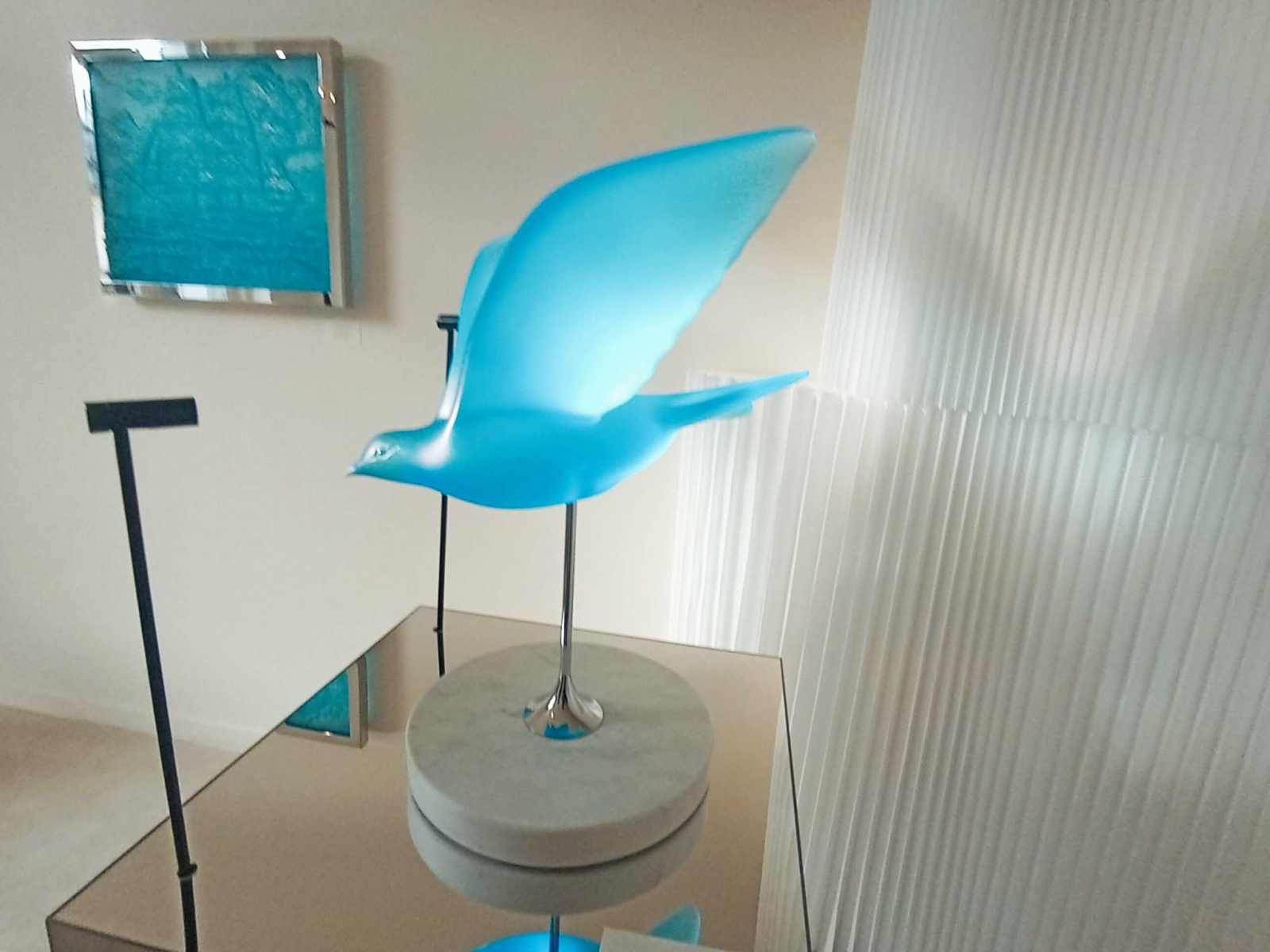
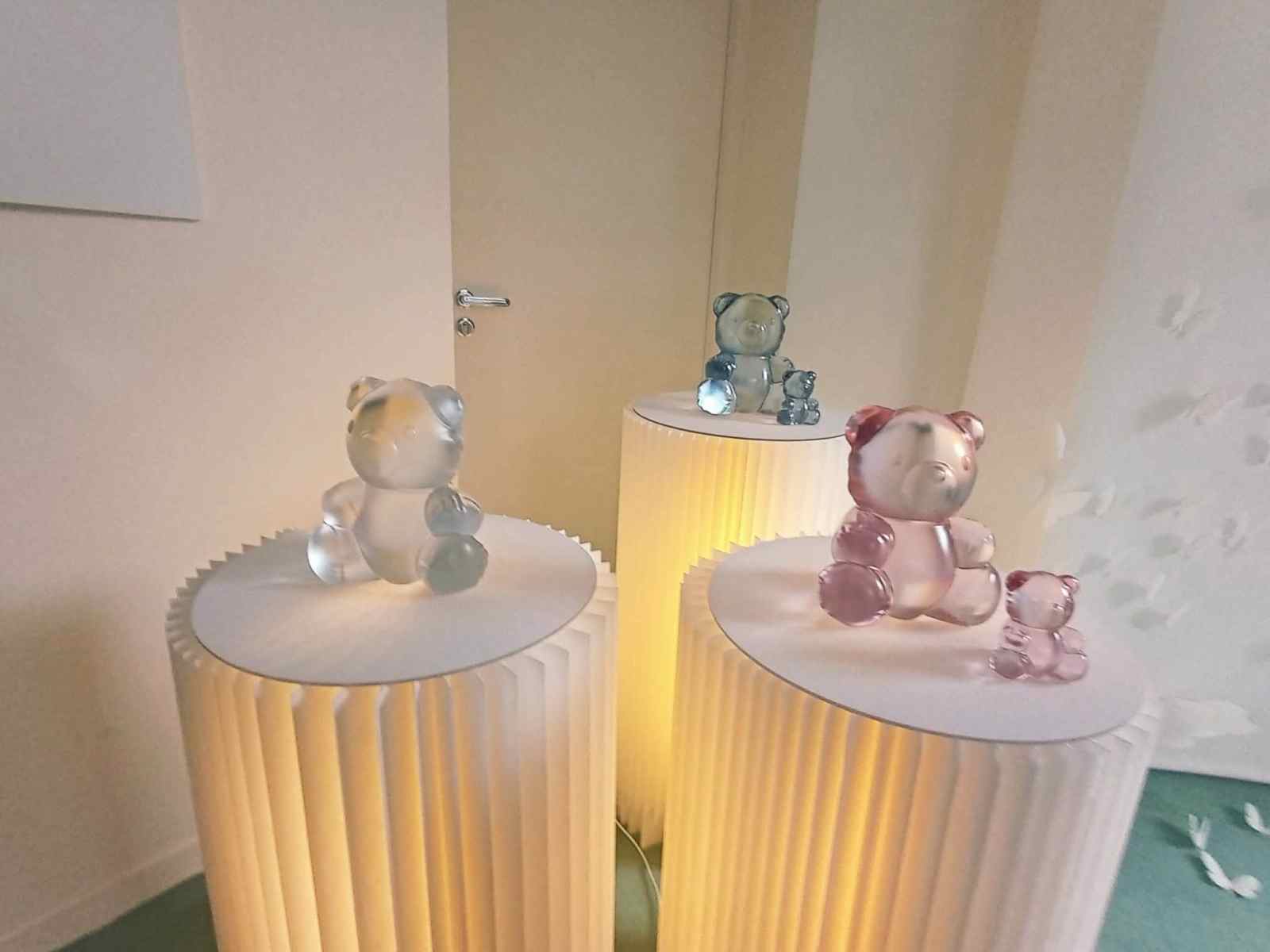
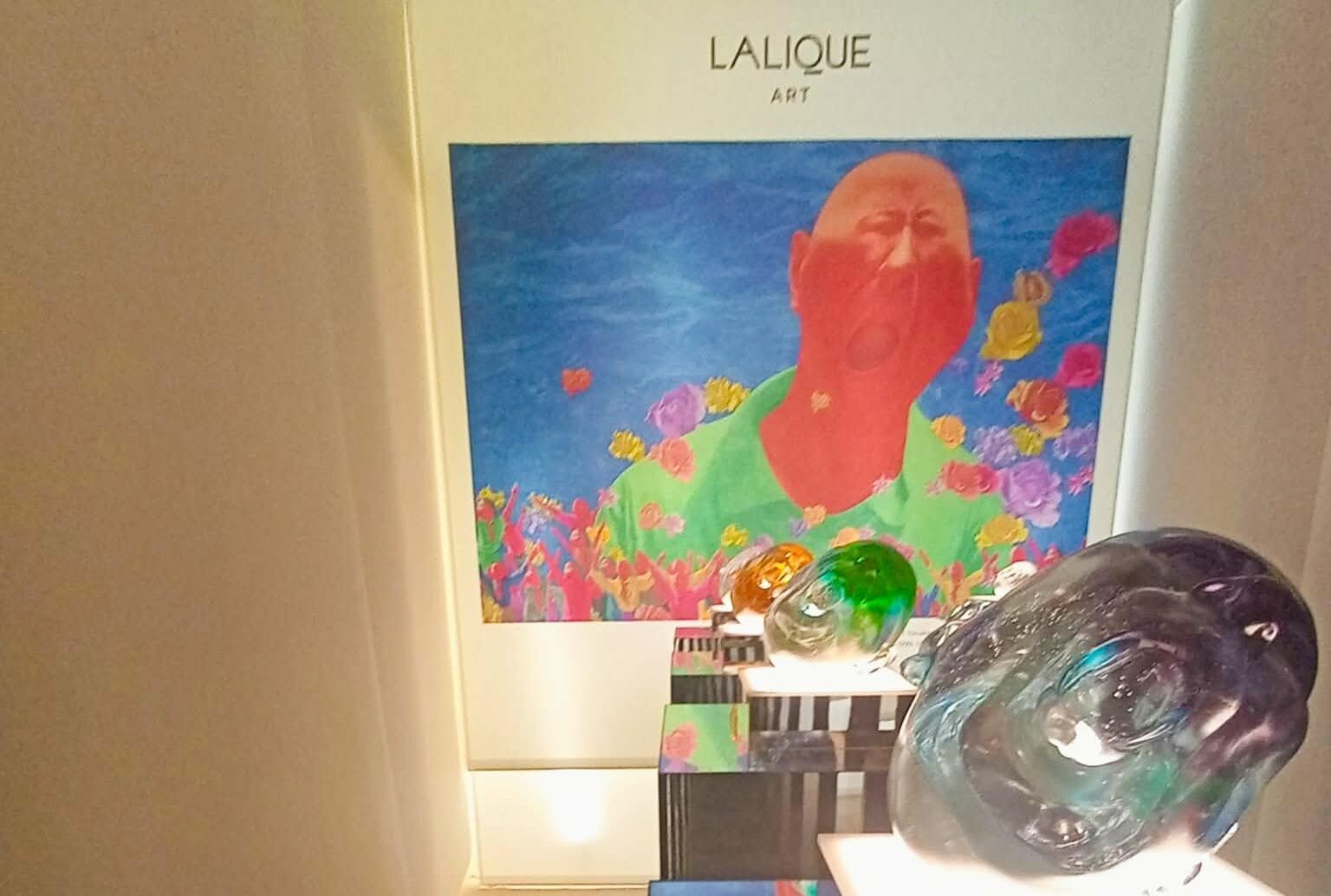
In 2026, Lalique Art continues its dialogue with contemporary art by collaborating with Chinese artist Fang Lijun. His human figures, translated into crystal in highly limited series, question the human condition and assert a certain form of silent resistance. Then, the Air collection, through sculptures, inspired by René Magritte, along with new olfactory and jewelry creations, extend this quest for elevation and the invisible.
More details on their official website.
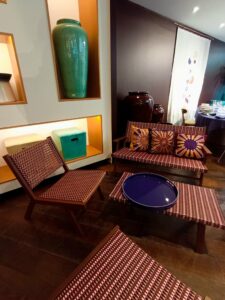
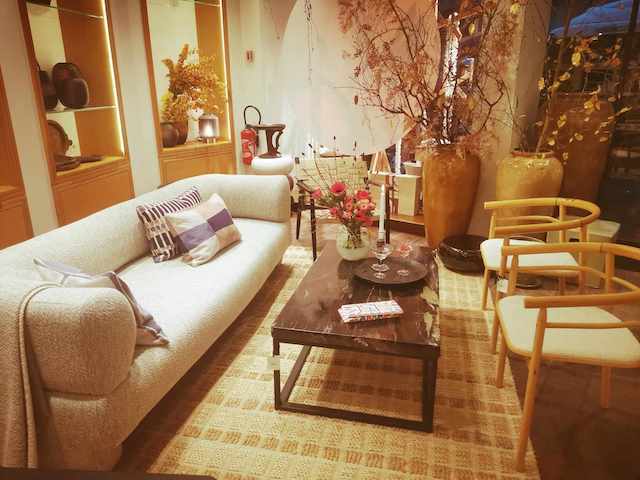
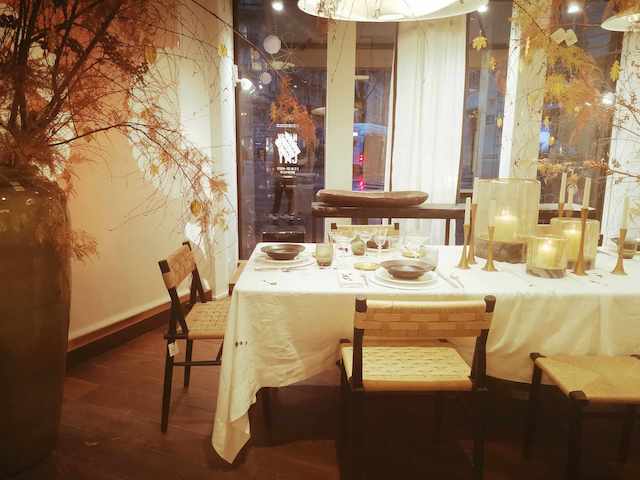
For sixty years, CFOC has been embodying some real French lifestyle, enriched by influences from elsewhere. Founded in 1965 by François Dautresme, an explorer and aesthete passionate about Asian craftsmanship, the Compagnie Française de l’Orient et de la Chine has, from its beginnings, woven a sensitive connection between Eastern and Western. Heir to a unique artisanal heritage, this French Maison still celebrates its 60th anniversary with a birthday collection that revisits its icons and asserts a decidedly contemporary creativity.
Still under the artistic direction of Valérie Mayéko Le Héno, CFOC reinvents its fundamentals through a series of exclusive objects in limited editions. You could admire exceptional ceramics, crafted in Yixing, such as lacquered trays from Vietnam, porcelains from Japan, and recycled glass from India, where each piece tells the story of a mastered gesture and a sublimated material.
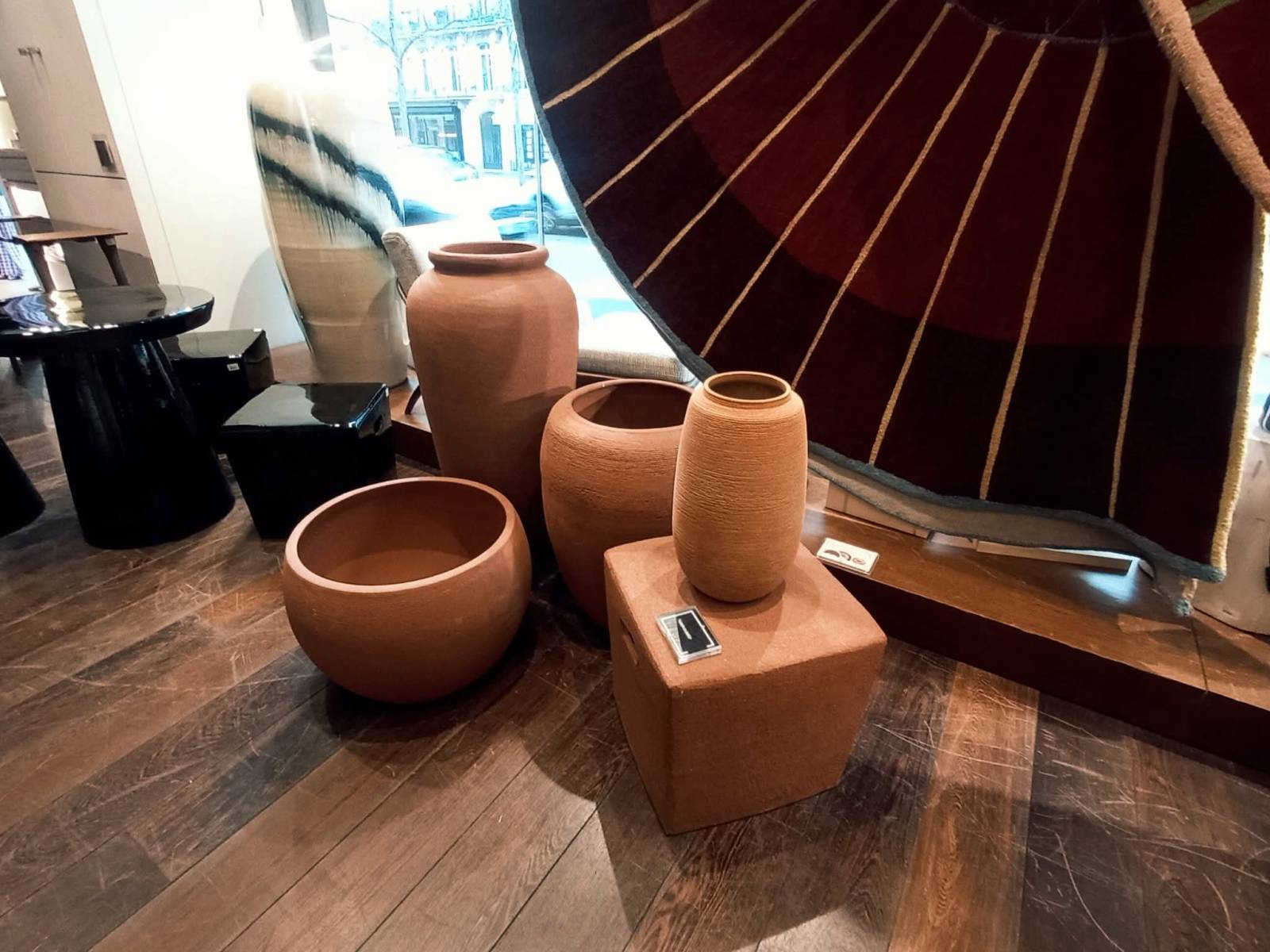
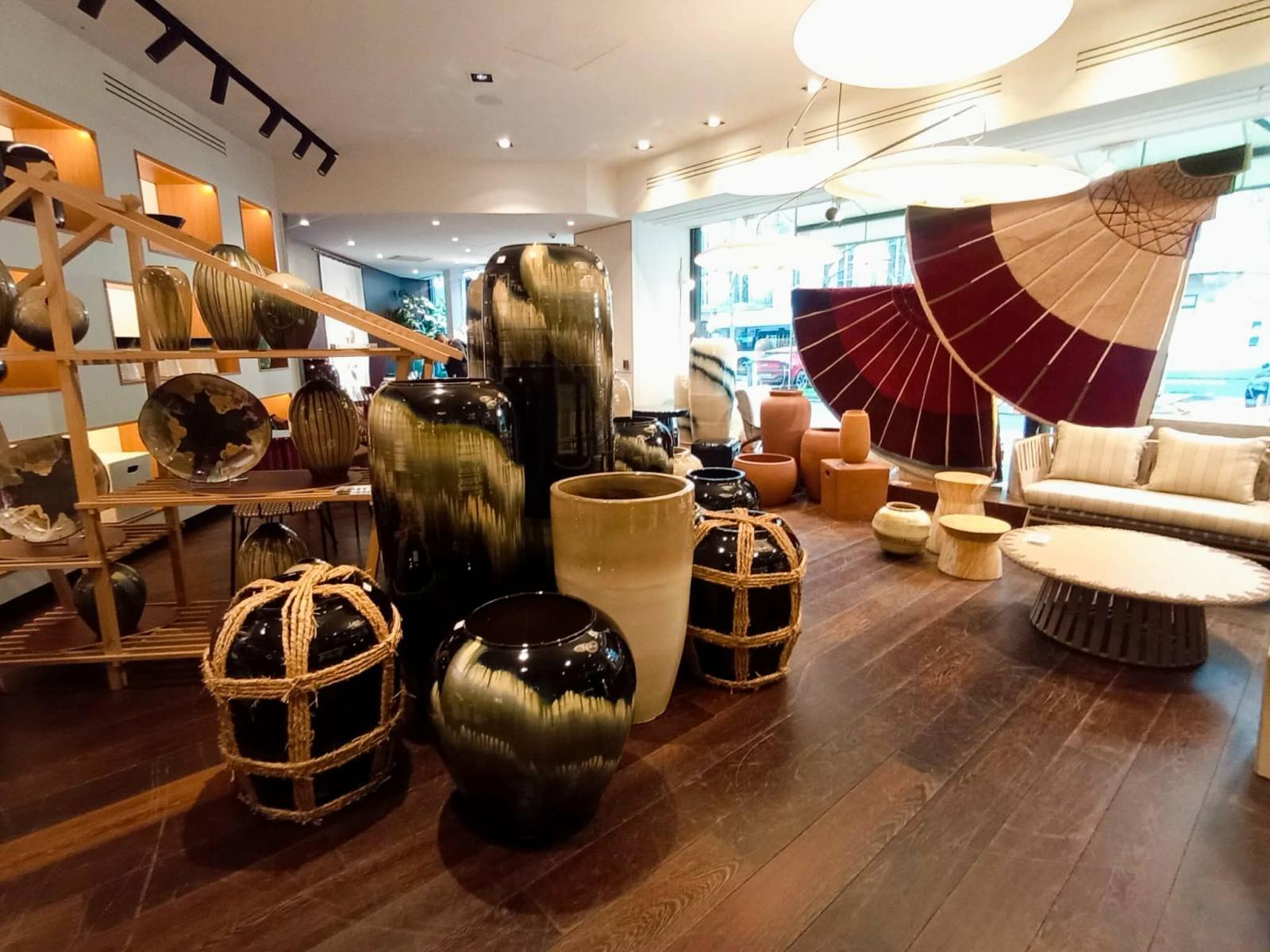
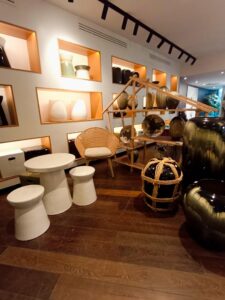
Therefore, don’t miss their new shades, featuring Jun blue, sepia, and honey, all engaging in dialogue with the iconic CFOC red color to create a vibrant and harmonious palette. Among the key new pieces, you would face black Chinese ceramic jars, along two-tone coconut bowls, but also scalloped lacquered wooden trays, without forgetting Indian cotton velvet textiles, illustrating this alliance between tradition and modernity. Thereafter, woven wool rugs, porcelain and brass lamps, and stained oak tables complete a cohesive universe, where each creation becomes both an object of desire and of use.
Thus, CFOC presents here an anniversary collection, imbued with meaning and emotion, into a sensory journey, through materials and colors, where elegance becomes timeless.
More details on their official website.
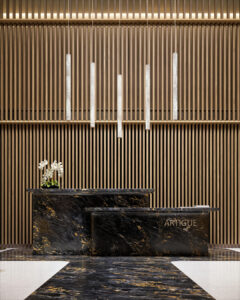
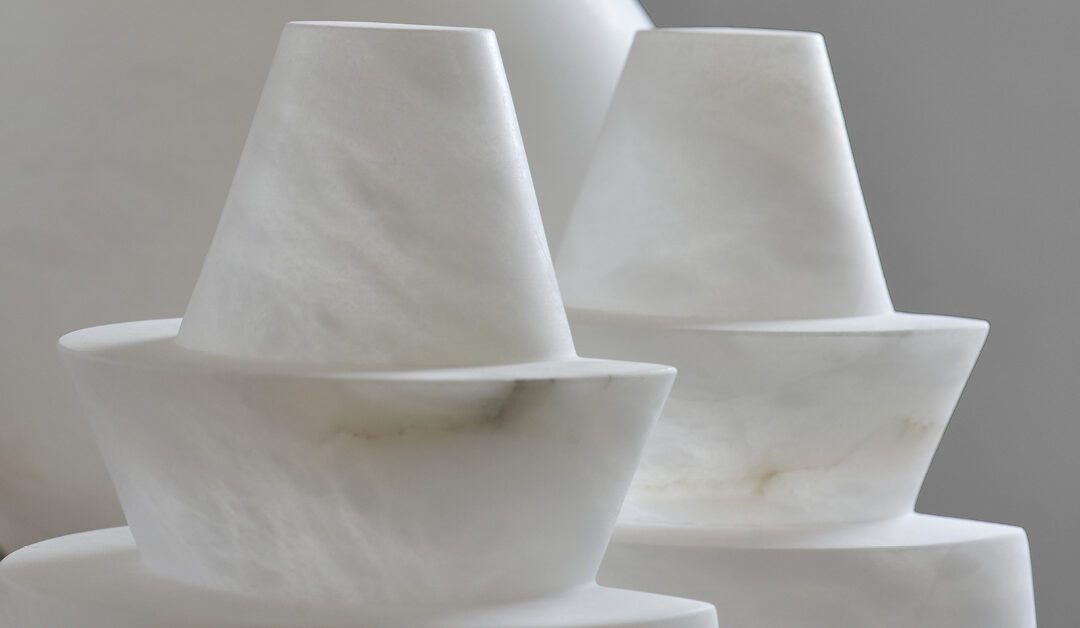
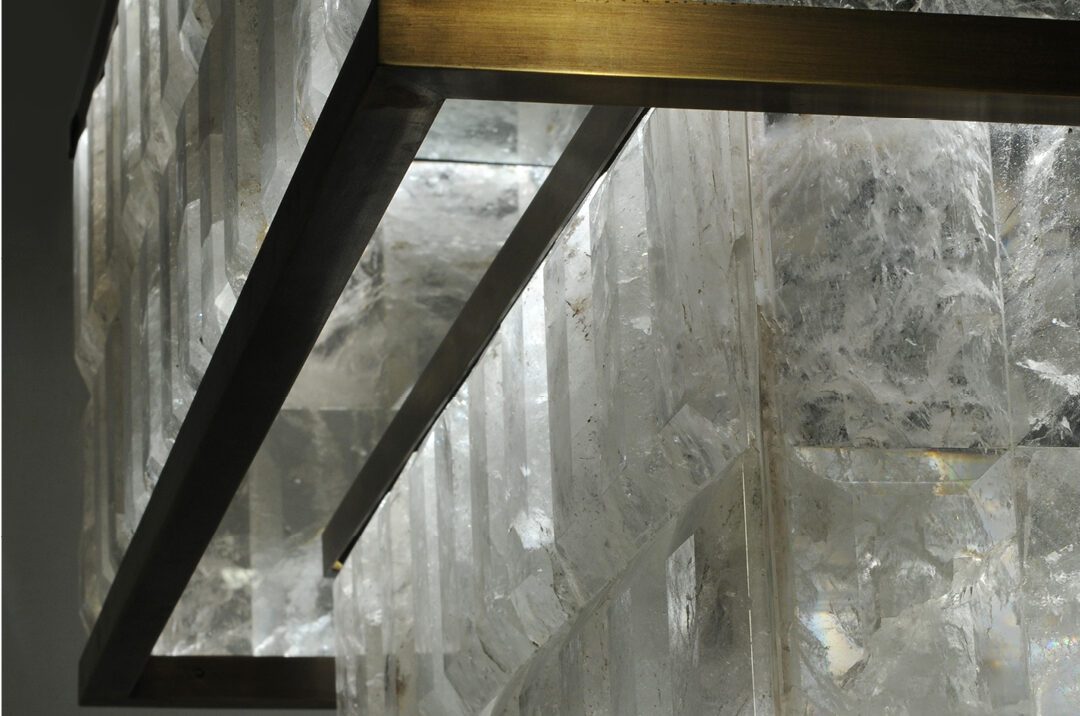
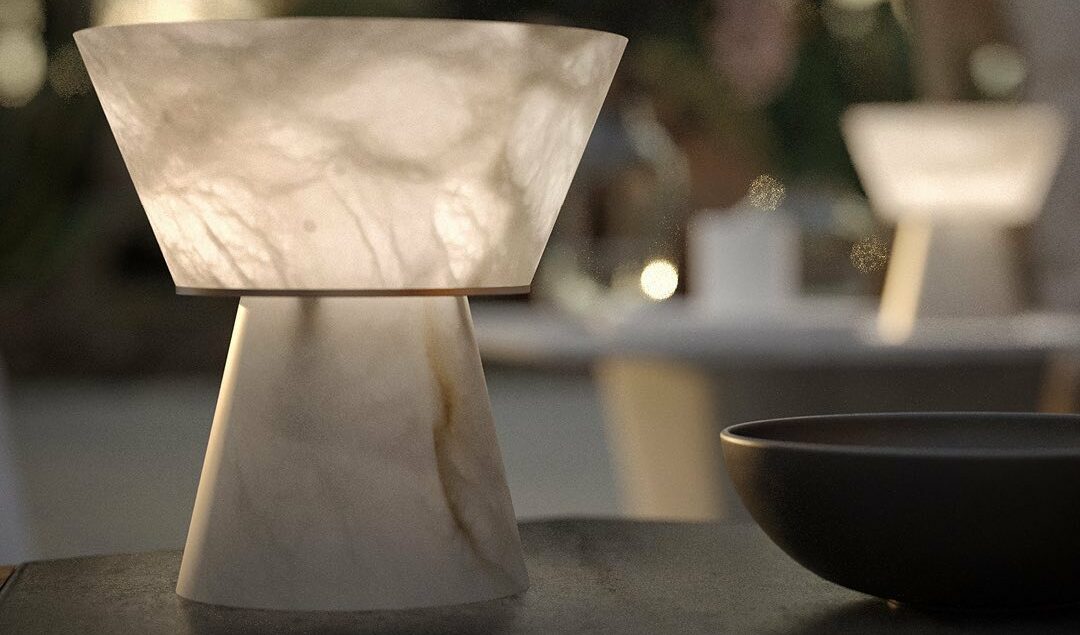
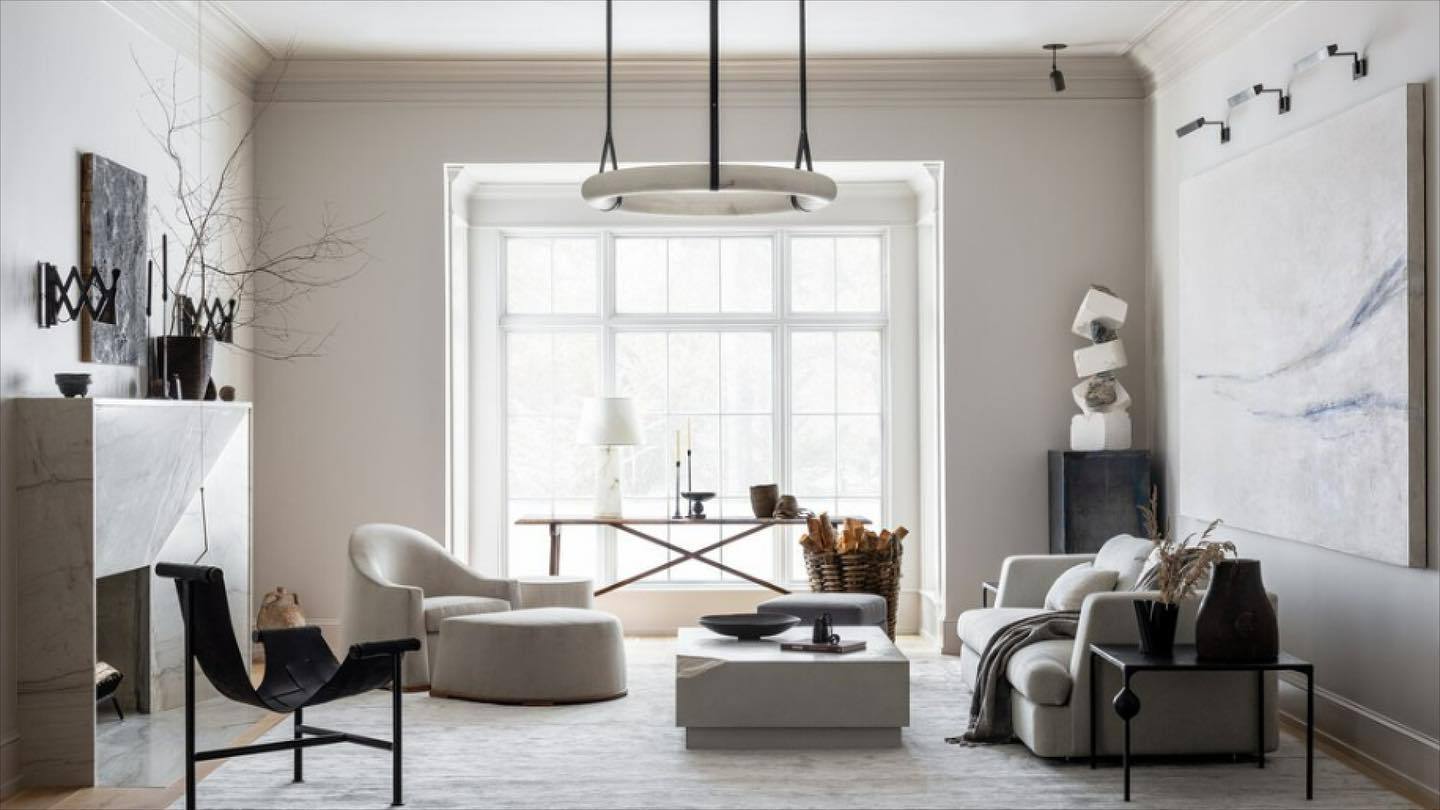
For twenty years, the artist Alain Ellouz has been exploring light as a sensitive language, shaped by material and craftsmanship. The success story began in 1995, when Alain Ellouz discovered alabaster. This ancient stone became the starting point of a singular vision, by giving it new life, notably through contemporary design. As a self-taught entrepreneur and sculptor, he developed his own savoir-faire, where artisanal excellence meets some creative boldness. Over the years, the Atelier has forged a strong identity by integrating alabaster into large-scale international projects, captivating the worlds of luxury and architecture. In 2011, this exploration expanded to rock crystal, a raw and luminous material that enriched the Maison’s aesthetic vocabulary and introduced new effects of transparency and light diffusion. The opening of showrooms in New York, after France, marked key milestones in this international growth, alongside the creation of the Alain Ellouz Foundation, dedicated to promoting alabaster on an artistic stage. In 2024, the transformation into Atelier Alain Ellouz confirmed its global recognition. Today, the Maison continues its international expansion, staying true to a vision in which material becomes emotion and light an enduring signature.
More details on their official website.
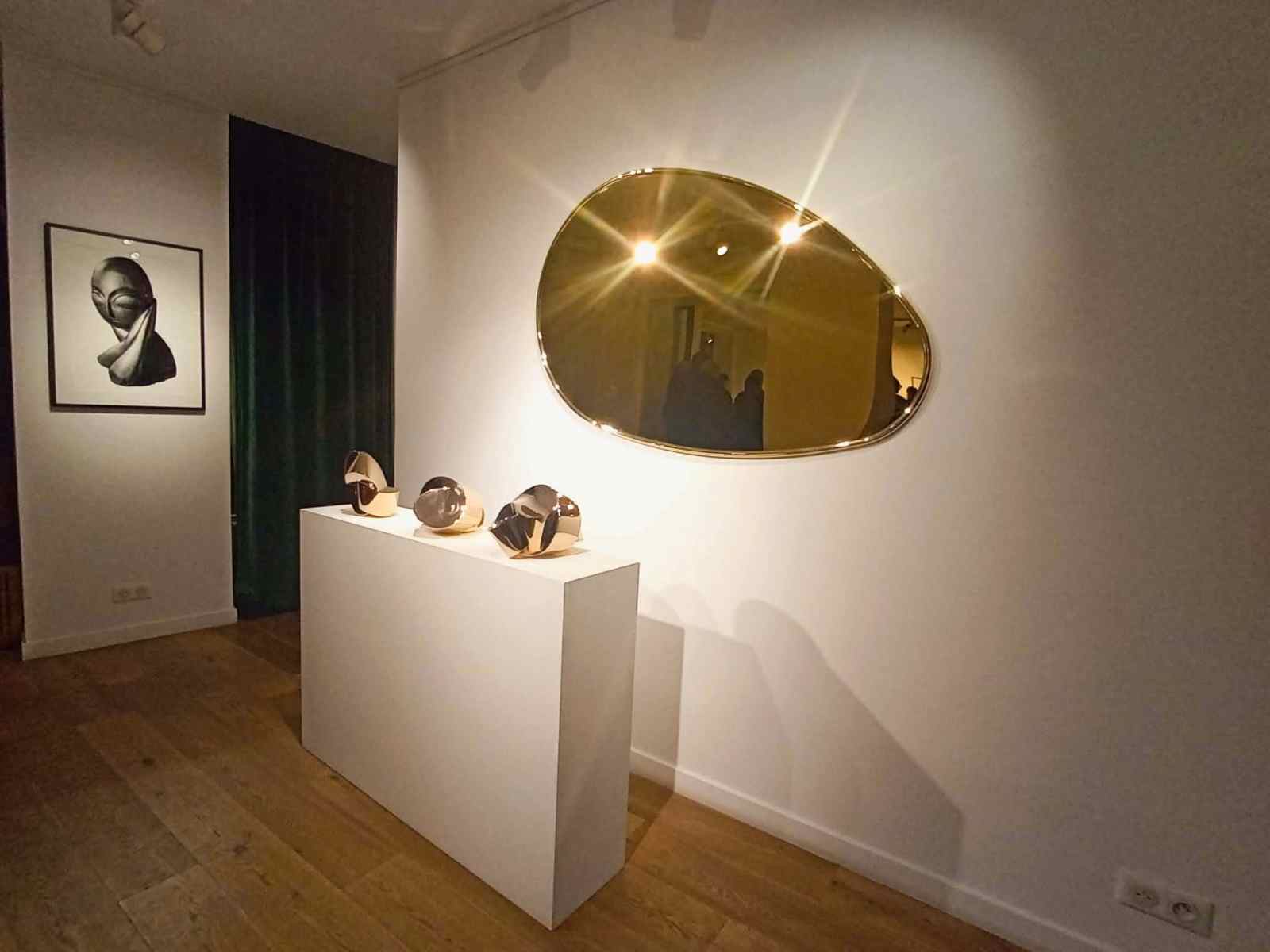
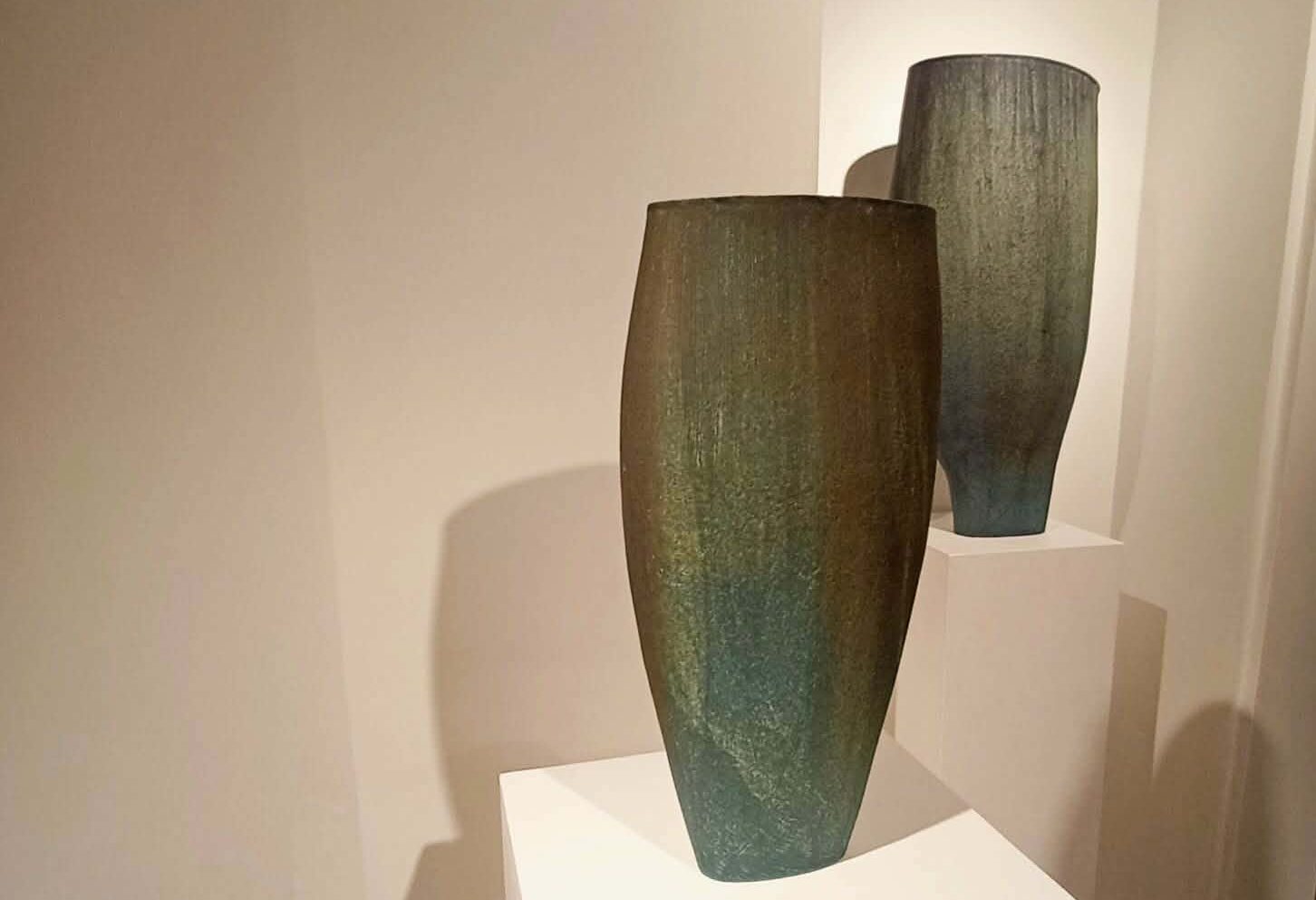
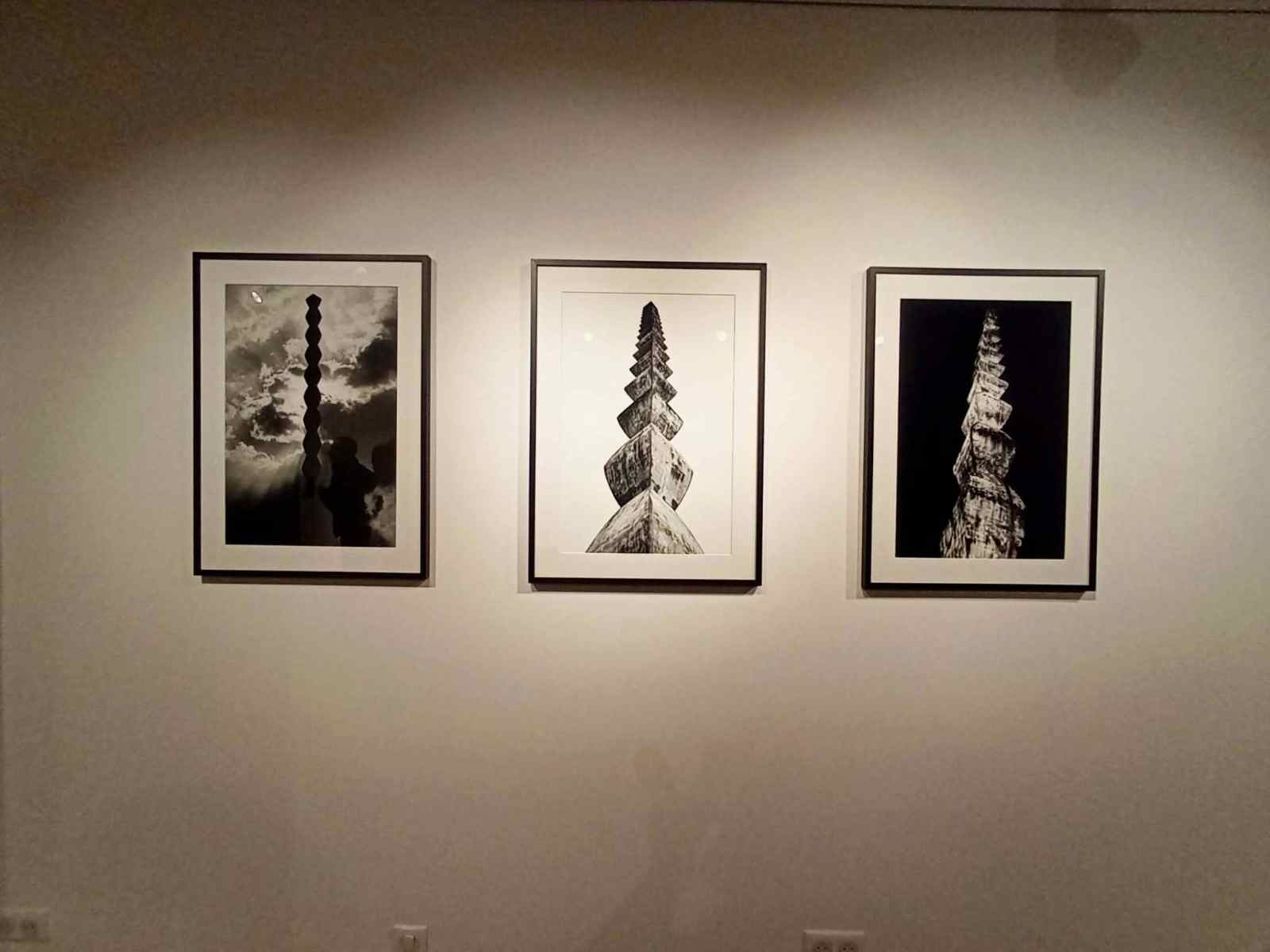
 In 2026, the Negropontes Gallery celebrates the 150th anniversary of the birth of the legendary Romanian artist Constantin Brancusi with “A Look at Brancusi”, a three-part program, both presented in Paris and Venice. The initiative revisits the sculptor’s legacy through a dialogue between contemporary creations and photographic archives, notably by Dan Er. Grigorescu.
The first chapter, devoted to art and design, connects current artworks with historical photographs to reveal formal correspondences and sensitive affinities. At the Romanian Embassy in Paris, an outdoor exhibition brings together the photographs of Mircea Cantor and again Grigorescu, dedicated to the monumental ensemble of Târgu Jiu. Listed by UNESCO, this site, designed by Brancusi in 1938, links sculpture and landscape in a symbolic path, that has become emblematic of 20th-century modernity.
More details on their official website.